The 5 Best Interactive Campaign Builder Platforms for Brands and Agencies
 ·
16 April 2026
·
11 min read
·
16 April 2026
·
11 min read
Brands are not short on interest when it comes to interactive campaigns.
Many brands already know that interactive formats can capture more attention, encourage participation and create more memorable experiences than static content. The problem is not whether interactive campaigns are valuable. The problem is that they are often still difficult to build, approve, launch and measure.
That is why many campaigns remain static even when brands want something more engaging.
As we explored in our article on why brands want interactive campaigns but marketing is still static, the gap is not caused by a lack of creativity. It is caused by how marketing teams are used to working. Static formats are familiar, faster to deploy and easier to approve internally.
We also covered the key challenges brands face when launching interactive campaigns, from long production timelines and limited in-house technical capability to unclear data tracking and reporting. These barriers make interactive campaigns feel heavier than they should be.
This is where interactive campaign builder platforms come in.
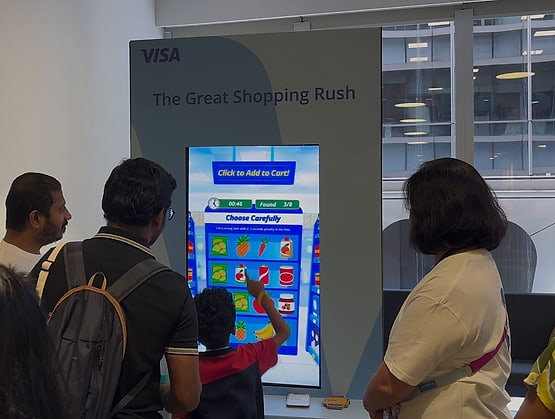
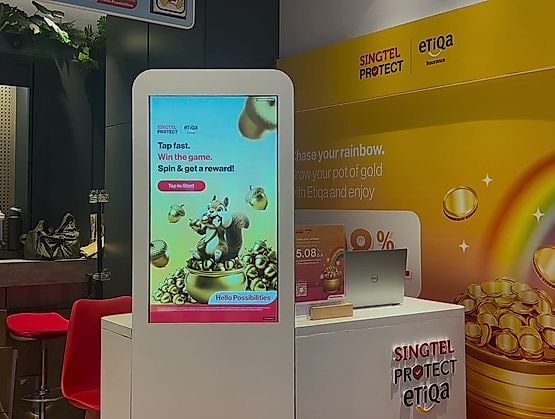
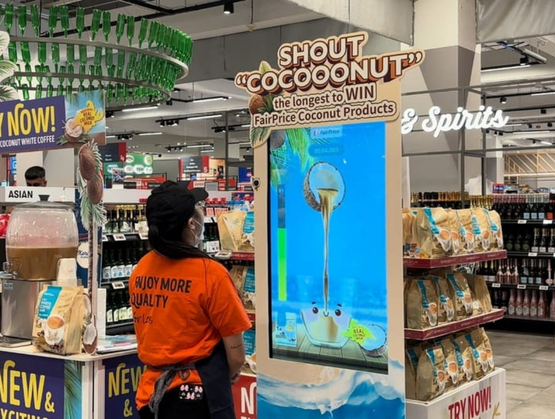
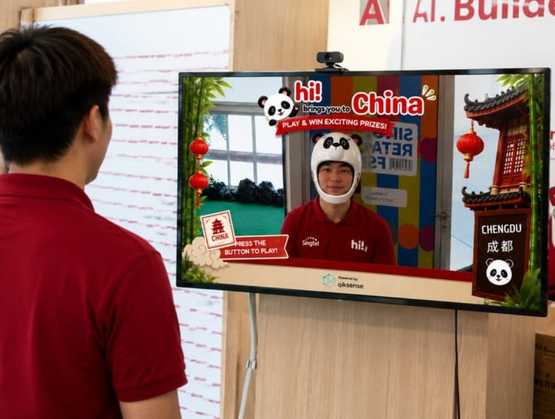
Instead of building every quiz, mini game, AI-enabled experience, AR experience, data capture journey or reward mechanic from scratch, these platforms help brands and agencies create interactive campaigns faster, test ideas more easily and collect useful engagement data along the way.
The best platform depends on what you are trying to build. Some tools are better for quizzes and lead generation. Some are better for immersive web content. Some are designed for gamification. Some, like qiksense, are built specifically for interactive brand campaigns across events, exhibitions, retail, public spaces and online channels.
Here are five interactive campaign builder platforms worth considering.
What is an interactive campaign builder platform?
An interactive campaign builder platform is a tool that helps brands and agencies create campaign experiences where audiences actively participate.
These platforms can be used to create experiences such as:
- Marketing mini games
- Quizzes and polls
- Surveys and assessments
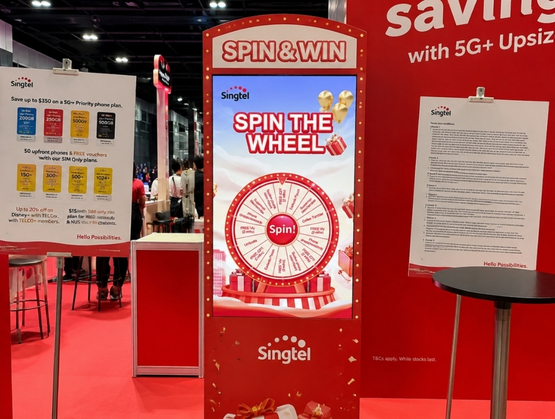
- Spin-to-win campaigns
- AI-enabled experiences
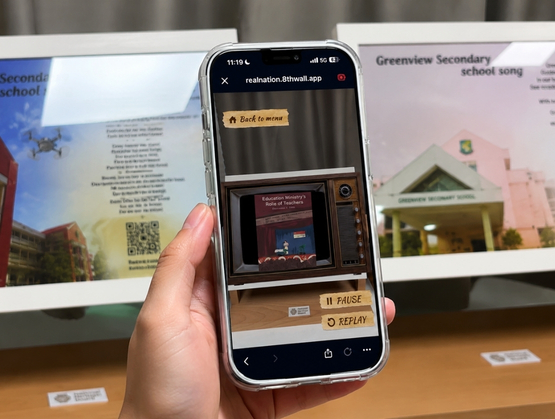
- AR experiences
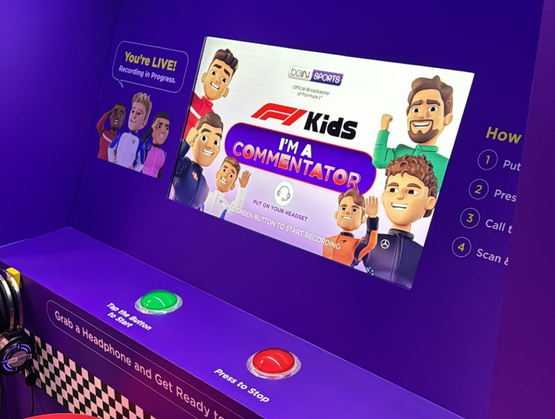
- Screen-based interactions
- QR-based event activations
- Lead capture journeys
- Reward and redemption mechanics
The goal is not just to make a campaign look more fun. The real value is that interactive campaigns help brands understand what people do, choose, answer, complete and respond to.
That makes the campaign more measurable than a static poster, landing page or video.
How to choose the right interactive campaign platform
Before choosing a platform, it helps to ask a few practical questions.
1. What type of campaign are you building?
A quiz builder may be enough if you only need simple lead generation. But if you are building event activations, digital screens, gamified journeys or hybrid offline-to-online experiences, you will need something more flexible.
2. How fast do you need to launch?
Some platforms are built for design-heavy experiences. Others are built around reusable templates and modular campaign logic. If your team needs to launch quickly, look for platforms that reduce production time without limiting the campaign idea.
3. Do you need data and analytics?
Interactive campaigns should not stop at participation. A good platform should help you track participation rate, completion rate, answers, rewards, user behaviour and conversion outcomes.
4. Will the campaign be reused?
Agencies and brands that run many campaigns should look for platforms that allow repeatable structures. This saves time and avoids rebuilding similar campaign logic again and again.
5. Does it support physical, online and hybrid campaigns?
This is especially important for events, exhibitions, retail spaces and public activations. The platform should work beyond a standard website embed.
1. qiksense
Built by Real Nation, qiksense is an interactive campaign builder platform created for brands, agencies and partners that need to build, launch and analyse interactive campaigns quickly.
It is designed around a modular campaign structure, which makes it especially useful for event activations, exhibitions, retail campaigns, pop-ups, brand experiences and online campaigns connected to physical spaces.
Instead of starting from a blank page every time, qiksense breaks the campaign journey into five reusable building blocks:
Access
This is how the campaign controls access, such as its opening days and times, the devices it runs on, or private links with a set number of uses.
Attract
This is how the campaign captures attention. It can include visuals, animation, AR effects, sound, videos or other creative triggers.
Retrieve
This is where the campaign collects details or answers when needed, with consent, through forms, quizzes, polls or surveys.
Engage
This is the interactive experience itself, such as a mini game, an AR experience or an AI experience.
Reward
This is the outcome, such as a prize, incentive, feedback, membership action or call to action.
This structure makes qiksense useful for teams that do not just want to create "content," but want to design a complete campaign journey from attention to action.
Best for
The qiksense platform is best for brands and agencies that run interactive campaigns across events, exhibitions, roadshows, retail environments, pop-ups, public spaces and digital channels.
It is especially strong when the campaign needs to combine experience design, audience participation, data capture, rewards and analytics.
Why qiksense stands out
Many interactive content platforms are built mainly for website experiences, while qiksense is built with brand activations and campaign deployment in mind.
That means it is not just about making a quiz or game. It is about helping teams move from campaign idea to launch faster, while still tracking engagement and performance.
For agencies, this matters because many interactive campaigns share similar logic. You may need a lucky draw, a product quiz, a game with a reward, a QR-based activation, a data capture form or a digital screen experience. With qiksense, these campaign structures are easier to configure, reuse and adapt.
Key strengths
- Modular campaign builder for faster setup
- Designed for event, retail, exhibition and brand activation use cases
- Supports offline, online and hybrid campaigns
- Built-in analytics for measuring engagement
- Flexible campaign logic across access, attract, retrieve, engage and reward stages
- Suitable for agencies managing multiple campaigns
- AI-supported campaign creation and optimisation
Things to consider
The platform is best suited for teams that care about campaign structure, data and repeatability. If you only need a simple one-off quiz, a lighter quiz tool may be enough.
But if your goal is to create interactive brand experiences that can be launched, measured and reused, qiksense is the strongest fit.
2. Dot.vu
Dot.vu is one of the more established interactive content platforms in the market. It offers a wide range of interactive experience types, including quizzes, polls, surveys, forms, interactive infographics, marketing games, calculators, assessments, guided selling experiences, virtual tours, interactive videos and more.
In 2026, Dot.vu also announced an AI Interactive Builder that allows teams to generate interactive components and experiences from natural language prompts, then customise design, logic, content and data capture inside Dot.vu Studio.
Best for
Dot.vu is best for marketing teams that want a broad interactive content platform with many campaign formats available in one place.
Why Dot.vu stands out
Dot.vu has a large library of interactive content types, which makes it useful for teams that want variety. It can support lead generation, engagement campaigns, guided selling, interactive storytelling and educational content.
Its AI Interactive Builder also reflects where the category is heading: faster creation, reusable formats and less manual setup.
Key strengths
- Wide range of interactive content formats
- No-code editor
- AI-assisted campaign creation
- Templates for different marketing use cases
- Suitable for digital engagement and lead generation
Things to consider
Dot.vu is a strong general interactive content platform, but brands running physical activations, event booths or screen-based campaigns may still need to check how much custom setup is required for their specific deployment environment.
3. Ceros
Ceros is a no-code interactive content creation platform for marketers and designers. It focuses on creating immersive digital experiences, interactive landing pages and rich web-based content without relying heavily on developers.
Ceros is often positioned around premium design and storytelling. It is useful for teams that want highly visual interactive content rather than simple form-based experiences.
Best for
Ceros is best for creative teams, content marketers and brand teams that want to produce polished interactive web experiences.
Why Ceros stands out
Ceros is strong when the campaign needs to feel editorial, immersive or visually rich. It is often a good fit for interactive reports, digital lookbooks, product storytelling, campaign microsites, interactive infographics and branded content experiences.
Its main advantage is creative flexibility. Instead of focusing only on quizzes or forms, Ceros helps teams build more expressive interactive content.
Key strengths
- Strong visual design capabilities
- No-code interactive content creation
- Good for immersive web experiences
- Suitable for branded storytelling
- Useful for marketers and designers working together
Things to consider
Ceros may be more suitable for design-led content experiences than fast, modular campaign mechanics. If your campaign needs mini games, rewards, data capture flows or event deployment, you may need to compare it carefully against campaign-first platforms.
4. Outgrow
Outgrow is an interactive content platform focused on quizzes, calculators, assessments, surveys, polls, contests, chatbots, product recommendations and lead generation experiences.
It is commonly used by marketers who want to convert passive website visitors into leads through interactive tools.
Best for
Outgrow is best for lead generation campaigns, especially quizzes, calculators, assessments and recommendation flows.
Why Outgrow stands out
Outgrow is strong when the interactive campaign is tied directly to conversion. For example, a skincare brand can create a product recommendation quiz. A financial brand can create a savings calculator. A B2B company can create an assessment that qualifies leads before routing them to sales.
The platform is less about immersive brand activations and more about interactive conversion funnels.
Key strengths
- Strong quiz and calculator builder
- Good for lead qualification
- Useful for product recommendations
- Supports surveys, polls, contests and chatbots
- Works well for website and landing page campaigns
Things to consider
Outgrow is a good choice for digital lead generation, but it may not be the most flexible option for event activations, gamified screen experiences or physical campaign environments.
5. Interacty
Interacty is an interactive content and gamification platform that supports quizzes, memory games, matching games, puzzles, flip cards, timelines and other interactive activities.
It is used for websites, education, events and audience engagement. Interacty also highlights event gamification use cases, including prize draws, product promotion, lead collection and brand awareness campaigns.
Best for
Interacty is best for simple gamified content, educational interactions and lightweight event games.
Why Interacty stands out
Interacty is easy to understand because it focuses heavily on ready-made interactive mechanics. If you need a memory game, matching game, quiz, puzzle, prize wheel or simple branded game, it gives you a fast starting point.
This makes it useful for teams that want to add a quick layer of participation to a campaign without building a fully custom experience.
Key strengths
- Strong library of game-style formats
- Suitable for quizzes, puzzles and matching games
- Useful for events and audience engagement
- No coding required
- Fast to start with templates
Things to consider
Interacty is useful for lightweight gamification, but it may not offer the same level of campaign journey control, analytics depth or modular structure needed for larger brand activations.
Quick comparison: which platform should you choose?
| Platform | Best For | Strongest Use Case |
| qiksense | Brands, agencies, events, exhibitions and retail campaigns | Modular interactive campaign journeys with data and rewards |
| Dot.vu | Marketing teams needing many content formats | Broad interactive content creation |
| Ceros | Creative and content teams | Premium interactive web experiences |
| Outgrow | Growth and lead generation teams | Quizzes, calculators and assessments |
| Interacty | Marketers and event teams | Simple gamified content and games |
Best platform by use case
Best for interactive brand activations
If your campaign needs to work across events, exhibitions, roadshows, retail spaces or hybrid environments, qiksense is the strongest choice.
Best for broad interactive content variety
Dot.vu is a strong option if you want many interactive formats in one platform.
Best for immersive digital storytelling
Ceros is a good fit for premium interactive landing pages, editorial content and digital storytelling.
Best for lead generation quizzes
Outgrow is a strong choice for quizzes, calculators, assessments and product recommendation funnels.
Best for simple gamified content
Interacty is useful if you need fast games, quizzes and interactive activities without complex setup.
Why interactive campaign builder platforms matter now
Interactive campaigns are becoming more important because audiences are harder to engage through static content alone.
A normal landing page tells people what a brand wants to say. An interactive campaign lets people participate, answer, play, choose, explore and respond.
That changes the relationship between brand and audience.
For marketers, the benefit is not just higher engagement. It is better data.
When someone answers a quiz, completes a game, scans a QR code, claims a reward or chooses a product recommendation, the brand learns something useful. That information can help improve follow-up, personalisation, campaign planning and future activations.
This is especially important as brands shift toward first-party data and more measurable customer experiences.
Final thoughts
The best interactive campaign builder platform depends on what your team needs to create.
If you are building a quiz for lead generation, Outgrow may be enough. If you are creating immersive digital content, Ceros is worth exploring. If you want a wide range of interactive content templates, Dot.vu is a strong option. If you want lightweight gamified content, Interacty can help.
But if your goal is to build interactive campaigns that connect attention, participation, data, rewards and analytics across real campaign environments, qiksense is built for that purpose.
With modular campaign building blocks, AI-supported setup and built-in analytics, qiksense helps brands and agencies create interactive campaigns faster. From events and exhibitions to retail activations and hybrid campaigns, qiksense makes it easier to turn audiences from passive viewers into active participants. To explore how qiksense can support your next interactive campaign, try out qiksense for free or contact the qiksense team.