Why Interactive Campaigns Outperform Traditional Marketing in 2025
 ·
2 December 2025
·
4 min read
·
2 December 2025
·
4 min read
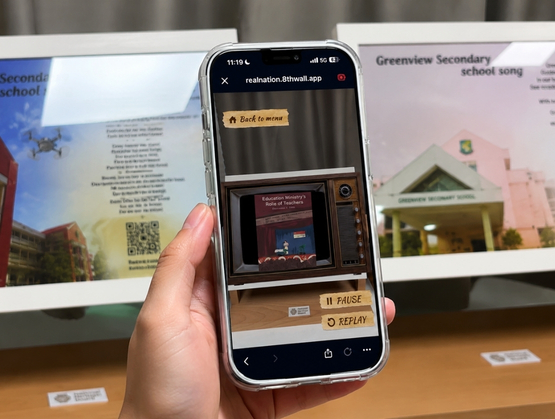
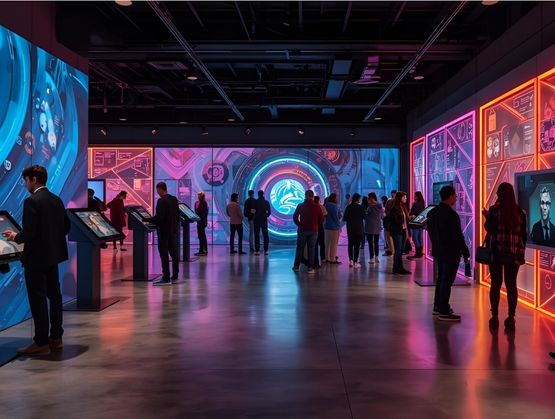
If 2024 was the year attention became impossible to buy, 2025 is the year brands finally realised something bigger — attention isn’t bought, it’s experienced. Consumers don’t just want to see your brand anymore. They want to touch it, play with it, participate, and feel like they’re part of something real.
Welcome to the era where interactive campaigns don’t just outperform traditional marketing, they leave it in the dust.
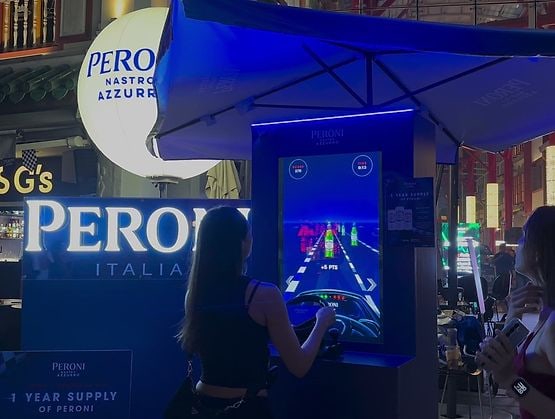
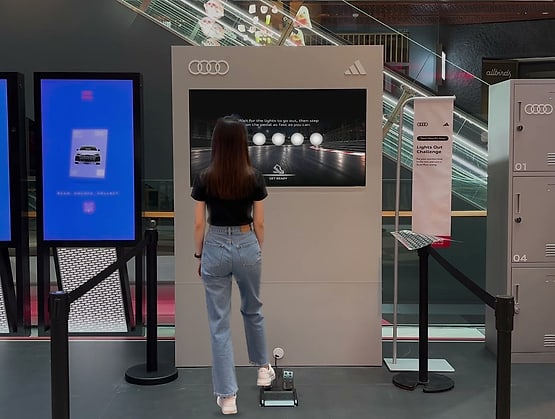
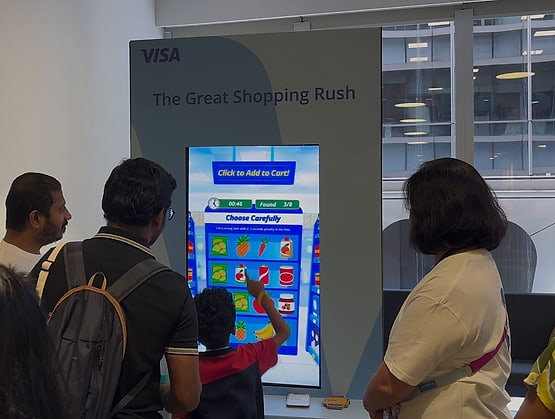
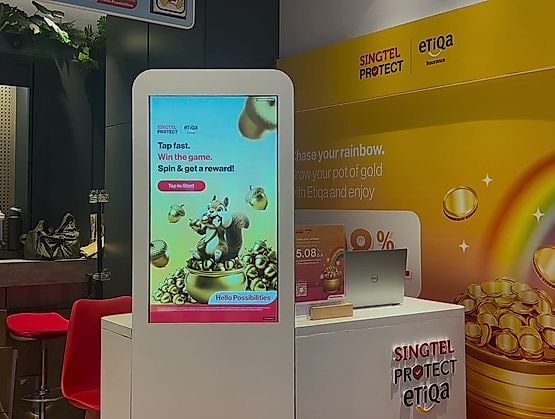
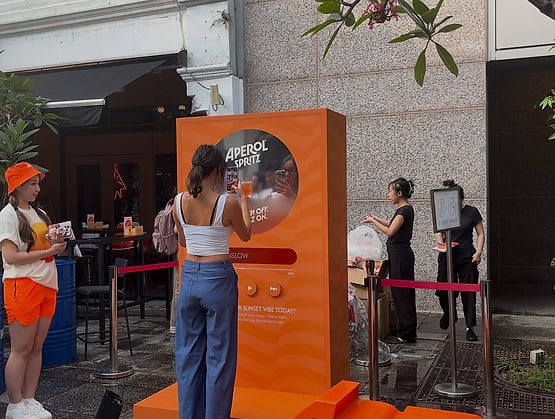
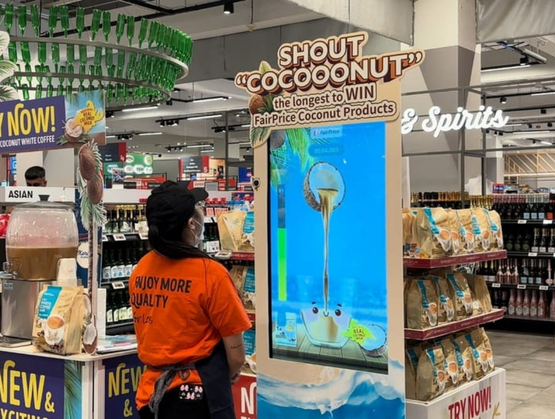
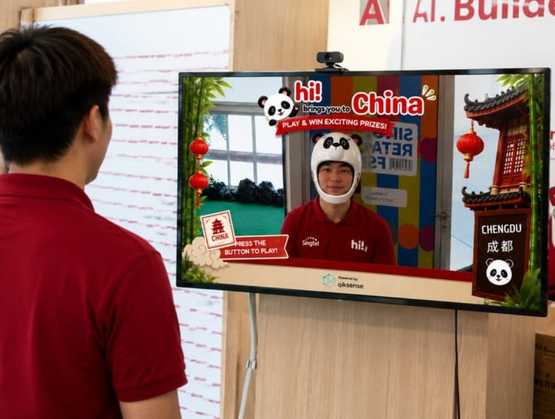
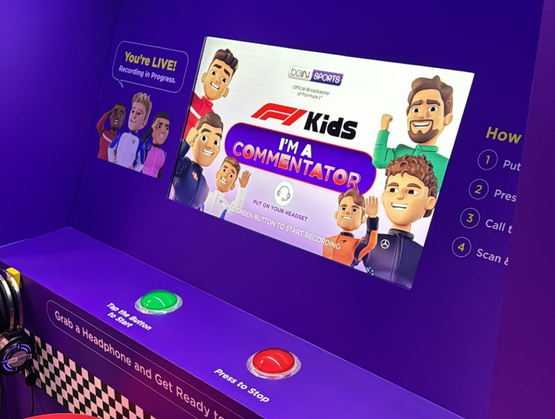
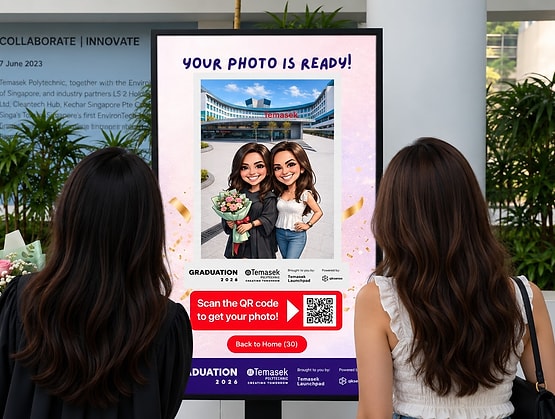
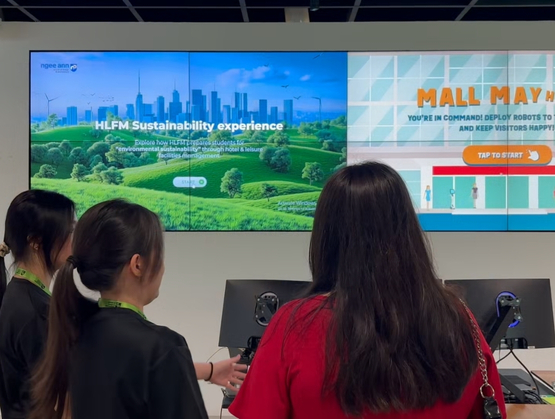
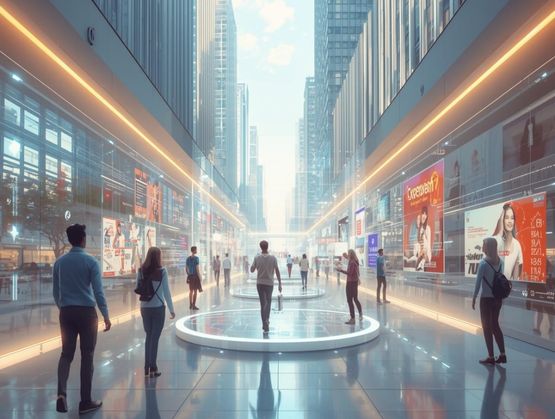
In Singapore — one of the world’s most competitive marketing ecosystems — brands, malls, agencies, and retail spaces are shifting from passive content to experiences powered by interactive engagement and gamification.
1. Participation Beats Passive Attention
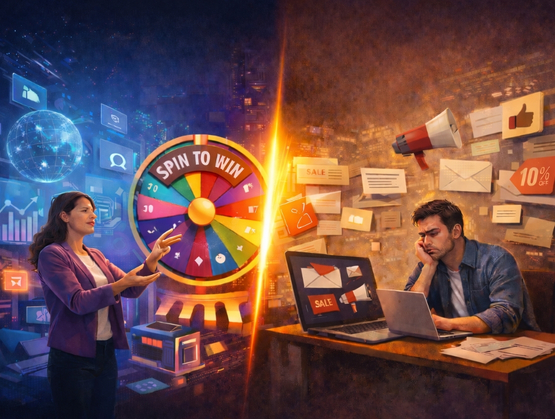
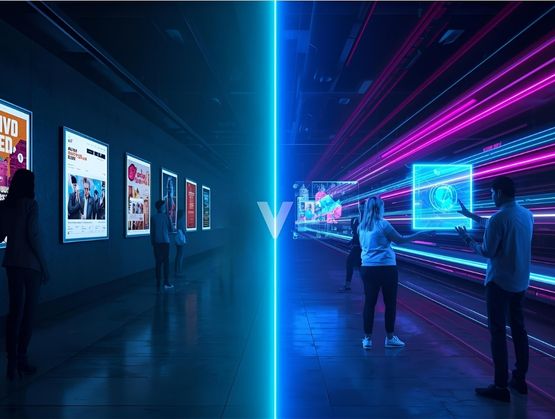
Traditional marketing is one-way. Interactive campaigns are two-way.
Static display ads are easy to scroll past. Interactive formats ask people to do something, which changes how they respond:
- Gamified campaigns keep people with the brand for longer
- Interactive ads invite a response instead of a glance
- Taking part makes a campaign easier to remember
If you’re new to interactive marketing, check out What Is an Interactive Campaign to learn the basics.
2. Interactive Campaigns Convert Better
In marketing, attention is only half the battle. The real challenge is turning engagement into action.
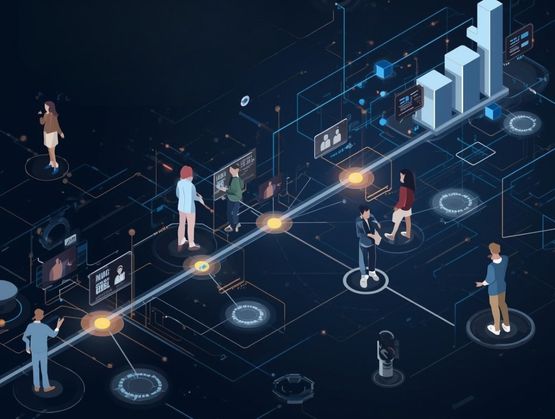
Interactive campaigns naturally build a guided journey. On qiksense, that journey is built from five modules:
- Access sets when and where the campaign can be played
- Attract catches attention with video, visuals or an AR effect
- Retrieve collects details, answers or consent
- Engage is the game or experience people take part in
- Reward shows the result or prize and lets people collect it
This structure helps turn participation into meaningful outcomes such as:
- lead capture
- membership signups
- booth traffic
- reward redemption
- store visits
- product discovery
Traditional marketing may raise awareness, but interactive campaigns drive action because users are already involved, curious, and emotionally invested.
3. People Don’t Want Ads — They Want Experiences
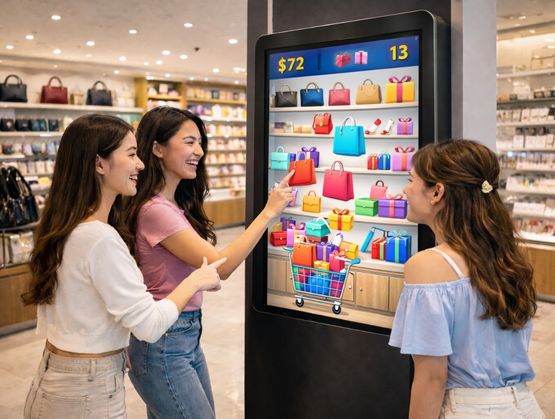
Today’s consumers especially in Singapore are used to interacting with digital elements everywhere:
- QR codes
- mall challenges
- touchscreen kiosks
- pop-up games
- mobile activities
- social filters
- digital vouchers
Interactivity has become part of daily life. This means brands no longer need to interrupt people with ads. They can invite people into the experience. Traditional ads feel like noise. Interactive moments feel like discovery.
4. Gamification Works (And Here’s Why)
Gamification works because it taps into basic human psychology:
- Curiosity (What happens if I tap?)
- Challenge (Can I win?)
- Reward (What do I get?)
- Progress (One more try!)
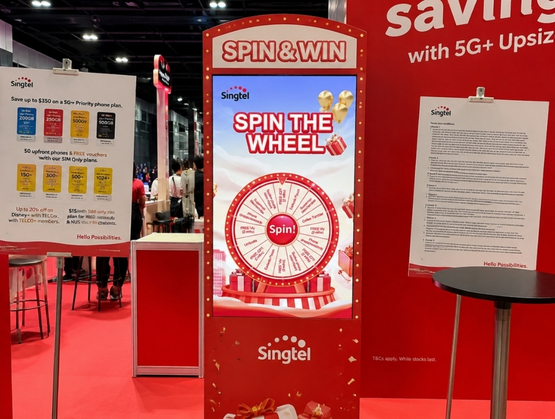
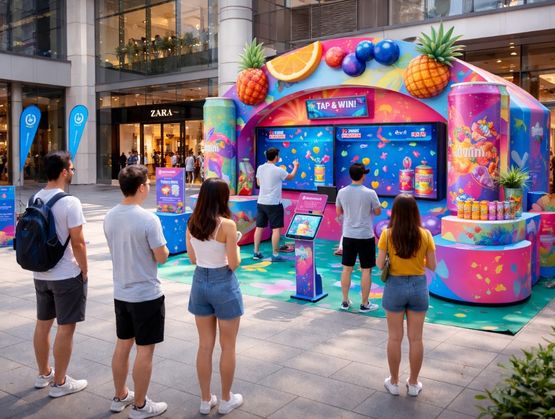
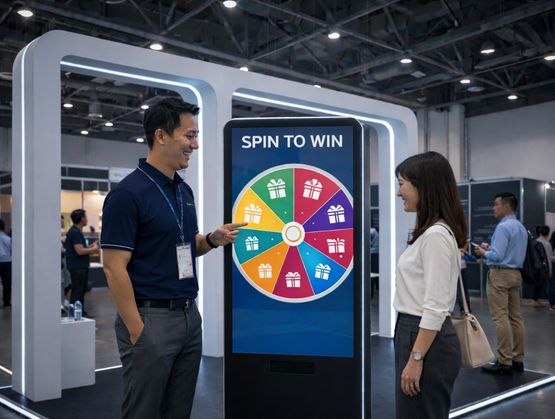
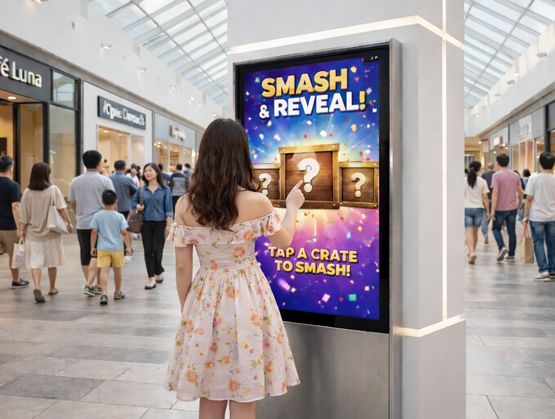
This is why gamified activations such as spin & win, quizzes, mini-games, AR hunts are now staples in malls, exhibitions, and pop-ups across Singapore.
A simple game can instantly create:
- queues
- excitement
- social sharing
- repeat participation
- foot traffic
Try achieving that with a poster.
5. Interactive Campaigns Provide Measurable Insights
Traditional marketing struggles to answer simple questions like:
- Did people see it?
- Did they enjoy it?
- Did it work?
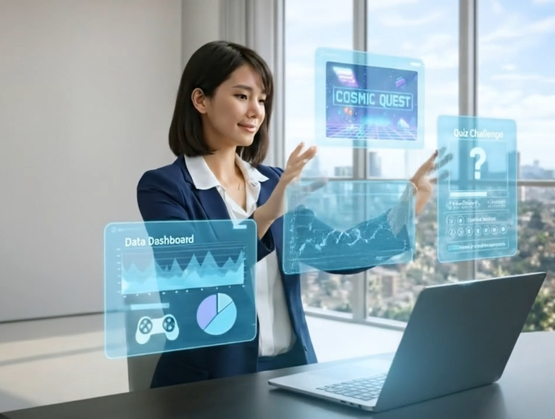
Interactive campaigns, on the other hand, generate clear, actionable data:
- participation rate
- user choices
- dwell time
- engagement depth
- CTA performance
- reward redemption
- demographic insights
- behavioural patterns
This allows brands to improve campaigns in real time and justify ROI with confidence.
In a high-stakes market like Singapore, where competition is tight and budgets must prove their worth, measurable interactivity is now a key advantage.
6. Faster, Cheaper, More Scalable Than Traditional Marketing
Traditional marketing often requires:
- printing
- logistics
- manpower
- long production lead times
- costly updates
Interactive campaigns allow:
- instant updates
- reusability across events
- multi-location deployment
- lower long-term cost
- consistent branding
- digital-only changes (no reprints!)
Brands can launch experiences rapidly, refine them instantly, and reuse them across malls, roadshows, retail outlets, or exhibitions.
This flexibility is one of the main reasons interactive formats are replacing traditional static campaigns.
7. Singapore Consumers Expect Interactivity Now
Walk into any major mall like VivoCity, Jewel, NEX, PLQ, Raffles City — and you’ll see a common theme:
- digital challenges
- QR-led journeys
- interactive booths
- gamified rewards
- data-driven engagement stations
This is now the default expectation.
In 2025, a brand without interactivity doesn’t just look old-fashioned — it gets ignored.
Final Thoughts: Participation Always Wins
Interactive campaigns outperform traditional marketing because they make people part of the moment.
They capture attention.
They deepen engagement.
They drive real-world action.
They turn experiences into memories.
In 2025 and beyond, the brands that win won’t be the loudest. They’ll be the ones that invite audiences in and create meaningful, intelligent, and enjoyable interactions.
Make Your Next Campaign Unforgettable with Real Nation
Interactive campaigns aren’t just more engaging, they’re more effective. If your brand is ready to capture attention, convert with purpose, and deliver measurable impact, Real Nation is here to help. Our team designs and develops high-performing interactive experiences tailored for retail, malls, events, digital activations and more.
Get in touch with Real Nation and transform your next campaign into an experience people remember.